
In an era of advanced technology, smart glass is revolutionizing corporate boardrooms. Offering enhanced privacy and efficiency, this innovative solution is becoming an integral feature of modern workspaces smart glass.
This article explores the technology behind smart glass, its privacy benefits, the way it enhances efficiency, and its environmental credentials. It also provides guidance on implementing this technology in your own boardroom.
Discover how smart glass can transform your board meetings into secure, productive, and eco-friendly experiences.
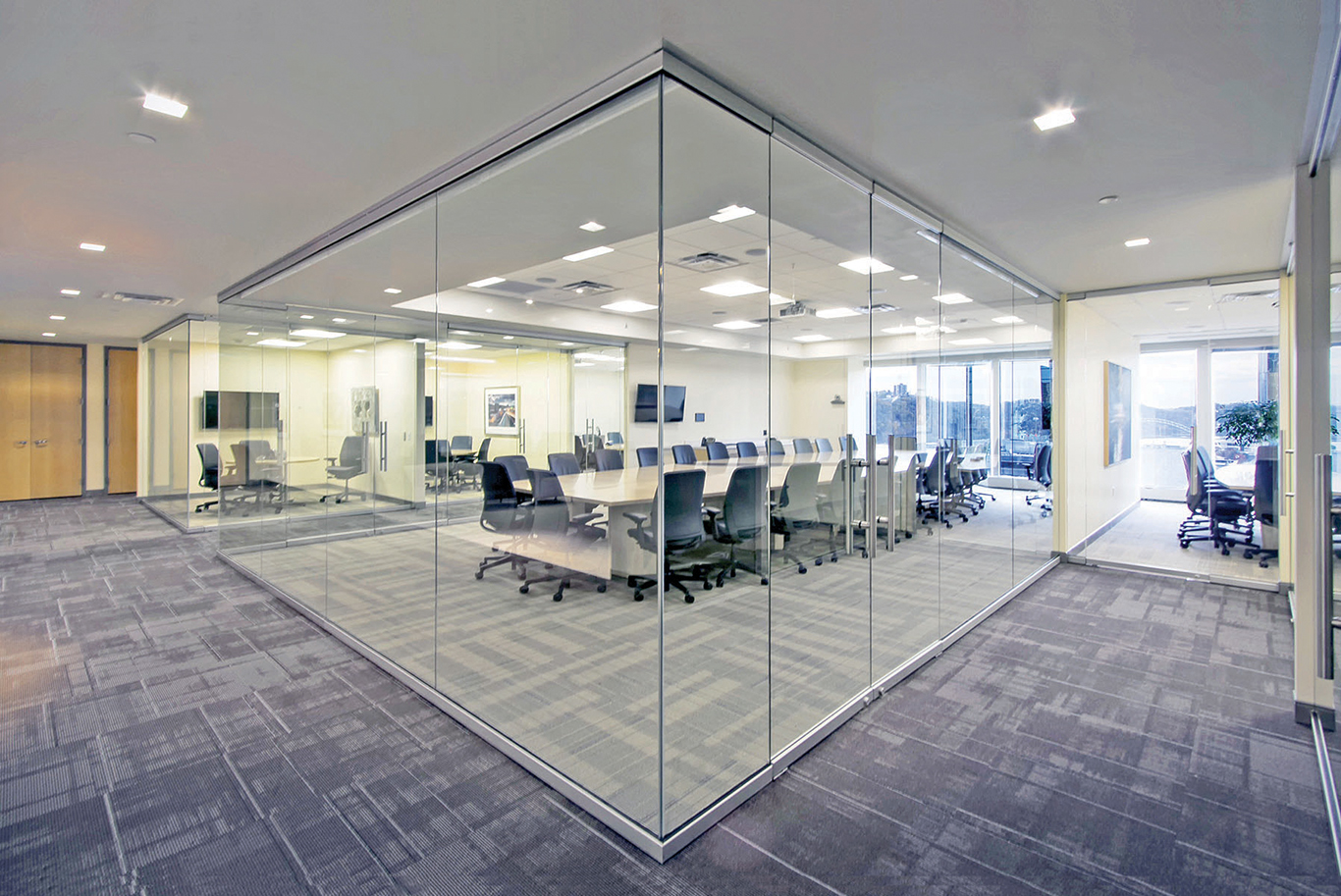
Understanding Smart Glass Technology
In order to fully appreciate the applications of smart glass in boardrooms, one must first delve into the mechanics of this innovative technology. Smart glass, also known as switchable glass, changes its light transmission properties when voltage, light, or heat is applied. It transitions from being transparent to blocking light, thereby offering enhanced privacy at the switch of a button.
One of the primary technologies used in smart glass is Polymer Dispersed Liquid Crystal (PDLC). PDLC smart glass operates on the principle of electrically controlled light scattering. In the absence of an electric current, the liquid crystal molecules are arranged randomly switchable smart glass, causing light to scatter and the glass to appear opaque. When an electric current is applied, the liquid crystal molecules align, allowing light to pass through and the glass to become clear.
This technology offers a high degree of flexibility and control over privacy, light, and heat transmission. It also reduces the need for curtains or blinds, thereby offering a sleek, clean aesthetic. Smart glass is an excellent choice for boardrooms, offering efficient use of space and advanced control over the environment.
Privacy Advantages of Smart Glass
Leveraging the technology previously described, smart glass provides unparalleled privacy advantages for boardrooms, transforming the work environment into a secure and confidential space when needed. The flexible nature of smart glass allows for an instant switch from transparency to opacity, creating a private environment at the touch of a button. This immediate privacy control helps safeguard sensitive discussions from visual eavesdropping, ensuring a high degree of confidentiality.
In addition to visual privacy, smart glass can also help mitigate acoustic leakage. Some smart glasses are designed with soundproofing capabilities, reducing the risk of overheard conversations. This dual-layer of privacy protection – both visual and acoustic – is a significant advantage over traditional glass partitions.
Moreover, smart glass does not compromise natural light, maintaining an open and airy feel while offering complete privacy. This balance of openness and privacy is ideal for fostering a work environment that encourages freedom of thought and uninhibited brainstorming.
Boosting Efficiency With Smart Glass
Smart glass technology significantly boosts boardroom efficiency by merging aesthetics, functionality, and energy-saving attributes. This innovative technology promotes a seamless transition between transparency and opacity, thereby enabling flexible utilization of space. Furthermore, it enhances natural lighting, reducing reliance on artificial light sources, and consequently, energy consumption.
Designed with a unique electrochromic technology, smart glass controls the transmission of light and heat. This feature aids in maintaining an optimal workspace temperature, reducing the need for air conditioning or heating systems, and thus, saving significant energy costs.
Moreover, this technology facilitates an uninterrupted flow of work. With just a switch, smart glass transitions from transparent to opaque, providing instant privacy for confidential discussions or focused work sessions. It eliminates the need for physical barriers such as blinds or curtains, which often disrupt the visual aesthetics and require manual operation.
In addition, the use of smart glass can contribute to earning LEED (Leadership in Energy and Environmental Design) points, a globally recognized symbol of sustainability achievement.

Smart Glass: An Eco-Friendly Choice
As an environmentally conscious choice, the adoption of smart glass in boardrooms significantly reduces carbon footprint and promotes sustainability. Smart glass technology employs a unique electrochromic process which requires less energy compared to traditional glass heating or cooling. This results in a significant reduction in energy consumption, thus lowering greenhouse gas emissions.
Moreover, smart glass’s ability to control light and heat transmission reduces reliance on artificial lighting and air conditioning systems. This leads to further energy savings, making it an effective solution for companies aiming to achieve green building standards.
The lifecycle of smart glass also demonstrates its eco-friendliness. The durability of this technology reduces the need for frequent replacements, leading to less waste. Additionally, it’s important to note that smart glass is fully recyclable, which closes the loop in its lifecycle and minimizes environmental impact.
Implementing Smart Glass in Boardrooms
In the realm of corporate environments, the implementation of smart glass in boardrooms is a strategic move towards enhancing privacy, efficiency, and sustainability. This high-tech glass offers an innovative solution to traditional privacy measures, such as blinds or curtains, which often compromise natural light and obstruct views.
Smart glass, or switchable glass, transitions from transparent to opaque at the touch of a button, providing instant privacy when needed without sacrificing natural light. The glass’s transparency can be adjusted to varying degrees, offering flexibility in managing light and privacy levels. Moreover, its energy-efficient properties help reduce the reliance on artificial lighting and air conditioning, contributing to a more sustainable workspace.
The implementation process requires careful planning and execution, however. The existing infrastructure must be assessed to ensure compatibility with the smart glass technology. Electrical systems may need to be upgraded to handle the additional power requirements. Professional installation by experienced technicians is recommended to guarantee correct functioning and to maximize the benefits of this investment.
Conclusion
In conclusion, smart glass technology offers a transformative approach to privacy and efficiency in boardrooms. Its innovative features, such as controllable opacity and energy efficiency, make it an ideal choice for modern corporate environments.
By integrating this technology, businesses can achieve enhanced confidentiality, productivity, and sustainability. The potential of smart glass in revolutionizing boardroom dynamics is immense and is thus, a worthy investment for forward-thinking corporations.Z